
Fields in Pocahontas County Property Tax Records
The Assessor and the Sheriff each publish part of the tax picture. On the Assessor side you get property class and tax class. You also get land use, flood hazard, appraisal fields and sale data. The WEB Tax Inquiry side carries tax years, ticket type and name. It also lists amounts billed and paid, balance, account number, map-parcel, description and billing address. Match on the parcel or account number. A street name alone can mislead. Remember the split: the bill belongs to a tax year and account. The assessment belongs to a valuation date. Keeping that distinction straight prevents most mix-ups in Pocahontas County property records.
| Field | What It Shows | Where |
|---|---|---|
| Tax class and land use | Property category used in the assessment system | WV Assessment Search |
| Land, building, total appraisal | Appraisal fields and sale comparisons attached to the parcel | Assessor card / search |
| Homestead, farm-use, timberland | Programs and use status offered by the Assessor | Assessor forms and records |
| Year, ticket, billed and paid | Tax bill amounts and account status by year | Sheriff WEB Tax Inquiry |
| Account, map-parcel, billing address | Keys connecting a ticket to a parcel and mail destination | Sheriff WEB Tax Inquiry |
West Virginia generally assesses property at 60 percent of fair market value. Even so, an assessment is a tax figure. It is not a fresh appraisal and not a promise of sale price. A tax bill can also reflect the applicable class and certain programs. For a fuller reading of the numbers, see the Pocahontas County property value guide. This page stays focused on bills and tax-record use.
WEB Tax Inquiry Fields in Pocahontas County Property Tax Records
The Sheriff/Treasurer page lays out practical columns for current and past bills. The columns are Years, Detail, Year, Type, Ticket, Name, Total Paid, Total Billed, First Half, Second Half, Total Due, Account No, Map-Parcel, Description and Billing Address. Verification gets easier when the account number and map-parcel agree with the Assessor card. Watch the billing address. It may differ from the property situs. That field alone should never decide which tract a bill belongs to. Cross-checking the parcel number settles the question.
| WEB Tax Inquiry group | Visible fields | How to read it |
|---|---|---|
| Search and history | Years, Detail, Year, Type, Ticket, Name | Choose the account and tax year before comparing bills |
| Payment amounts | Total Paid, Total Billed, First Half, Second Half, Total Due | Separate installments from the full bill and balance |
| Parcel and mail | Account No, Map-Parcel, Description, Billing Address | Match the tax ticket to the land and mail destination |
The county WEB Tax Inquiry also accepts online payment. Its screen shows the columns that help separate installments from balances. Card processing may add a fee, so read the final transaction screen before assuming what a payment costs.
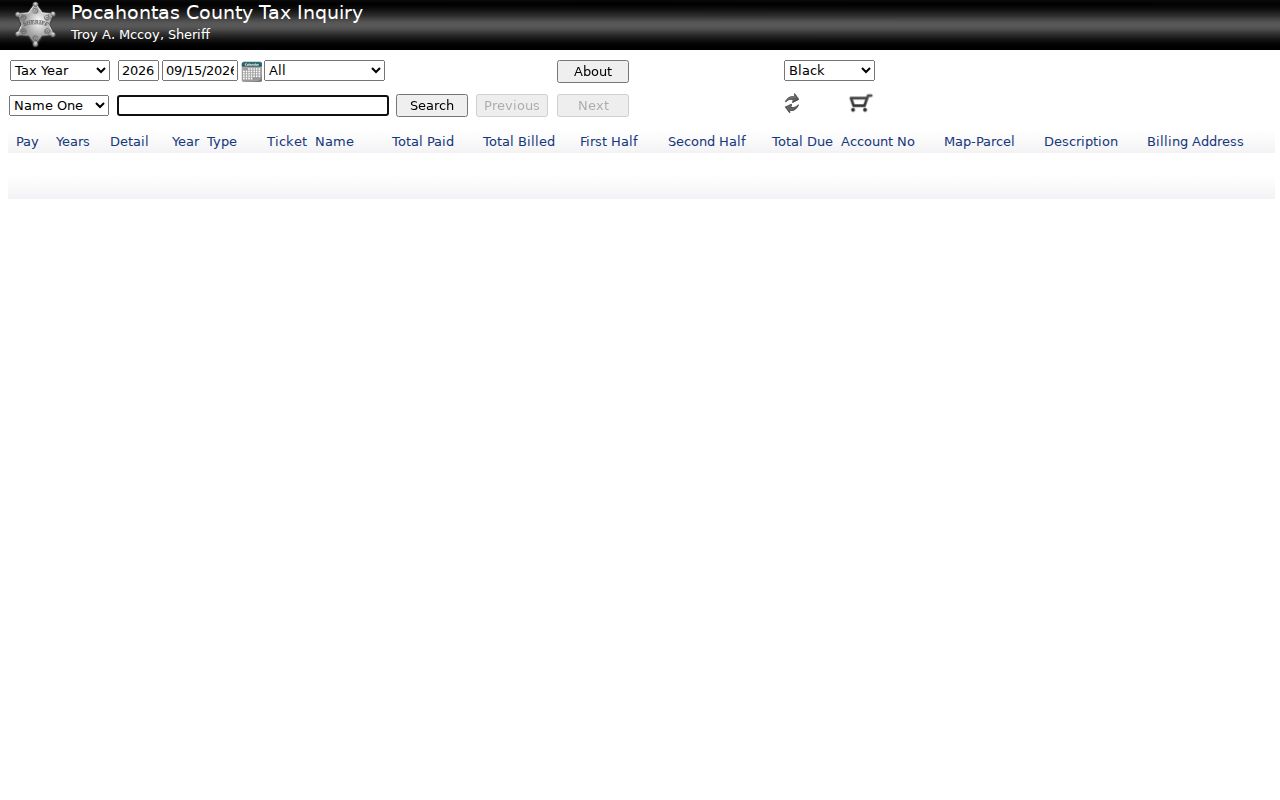
When comparing a balance or payment history, keep the tax year and ticket together in your notes.
July 1 Timing in Pocahontas County Property Tax Records
West Virginia sets property ownership, use and value as of July 1 for the next calendar tax year. The county map notice says the current 2026 assessment data was collected July 1, 2025. That snapshot can make a recent transfer appear differently in the Assessor display, a deed and the tax account. A sale recorded after the snapshot may be found in the parcel's “View Mapcard (Sales History)” PDF even if the ordinary roll still reflects the earlier owner.
This is a timing rule, not a claim that each county portal updates on the same day. Compare the deed's recording date, the assessment date and tax year before assuming an inconsistency. West Virginia property-tax guidance explains the assessment calendar and the February 1 start of the review period.
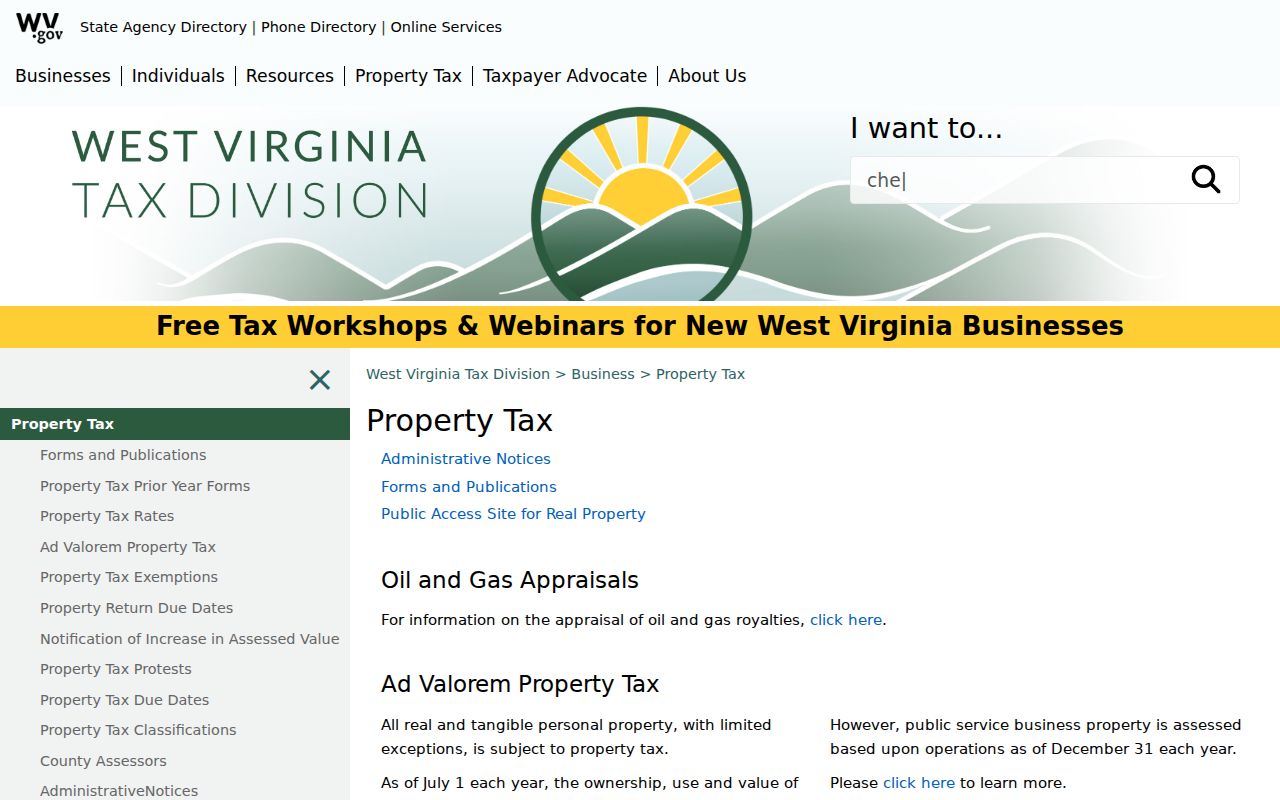
A later sale price is useful context. It does not automatically change the tax figure for an earlier assessment date.
Tax Classes in Pocahontas County Property Tax Records
West Virginia's property classes separate qualifying owner-occupied residences from other property. Property outside municipalities falls into its own category as well. Class II is the owner-occupied residential category. Classes III and IV cover other property based on location. The Assessor's search exposes land-use and tax-class fields. Read those labels against the parcel's actual use rather than guessing from a town name or mailing address.
The local Assessor also handles homestead exemption, farm-use valuation and managed-timberland programs. Its duties extend to floodplain determinations, personal-property filing and a tax estimator. Its site states that a floodplain determination must be filed before structures. For an application, rely on the official forms and Assessor instructions. A program flag explains something about the record. It does not establish who holds title; that answer lives in the deed records.
Finding a Bill in Pocahontas County Property Tax Records
WEB Tax Inquiry is the Sheriff/Treasurer route to current and prior property tax statements. Search with the name or account details you have. Then compare the map-parcel and description against the Assessor result. The table separates first-half, second-half, total billed, total paid and total due. That split matters when a payment covers only one installment. The inquiry also serves payments, so read the current processing details before submitting a card.
- Open the Sheriff WEB Tax Inquiry and search by the name or account information available.
- Confirm the map-parcel and description against the Assessor card.
- Choose the tax year and review ticket, billed, paid and due amounts.
- If a balance is delinquent, check the Auditor's land-sale tools for a separate sale status.
- Assessment date
- The July 1 ownership, use and value point used for the next calendar tax year.
- Assessed value
- The tax assessment figure, generally set at 60 percent of fair market value in West Virginia.
- Tax class
- A property category that helps determine the applicable assessment treatment.
- Delinquent land
- A parcel in a later collection or Auditor process; confirm its current stage with the custodian.
Delinquent Pocahontas County Property Tax Records and State Sales
A balance in WEB Tax Inquiry and an Auditor sale record are related. They are not interchangeable. The State Auditor's County Collections portal searches for land certified to the state. It also covers parcels with the deputy land commissioner. Its fields include sale-status and tax-year filters. If a ticket is delinquent, the state tool shows whether it has entered a later collection stage. Confirm the parcel description and current status with the Auditor or county office from there. Pocahontas County publishes no verified active parcel listing. A public search page alone never shows that a specific tract is available for purchase. The State Auditor's County Collections page identifies the official path for certified land. It also identifies the path for related records.
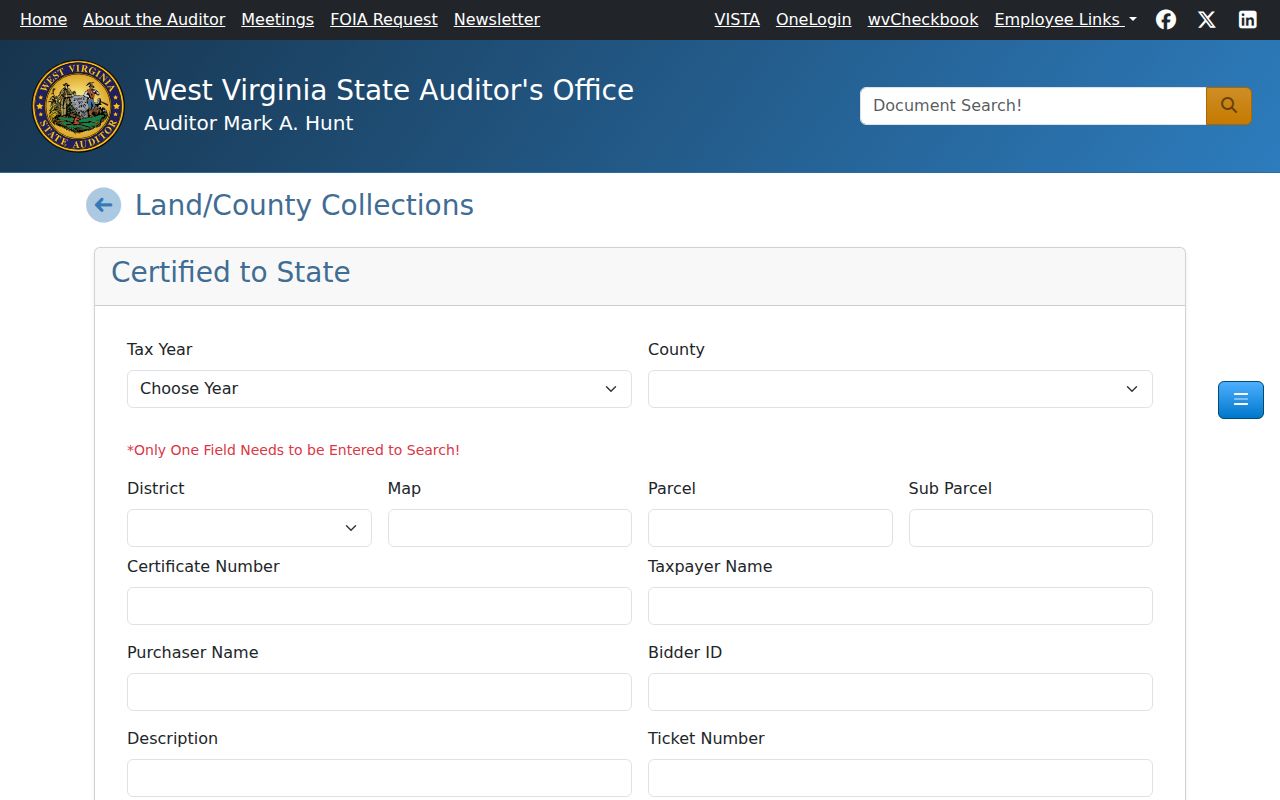
Before treating an Auditor result as the right tract, check the legal description against the county tax account. Matching the tax year too keeps the Pocahontas County property records straight.
Land-Sale Notices and Bidder Registration
The State Auditor keeps legal notices and bidder pre-registration separate. Legal notices carry the delinquent real-estate tax sale material. The registration form asks for the deed name, an agent, address, phone, email and certifications. Treat both as procedural sources rather than an Assessor record or a deed image. They are not Pocahontas County property records by themselves. For any specific sale, read the current instructions. Verify every parcel identifier before relying on a notice. The Auditor's land-sale registration page holds the bidder form and certifications. Notices and registration are handled statewide. So a posting is not proof that a Pocahontas parcel is on a current sale list.
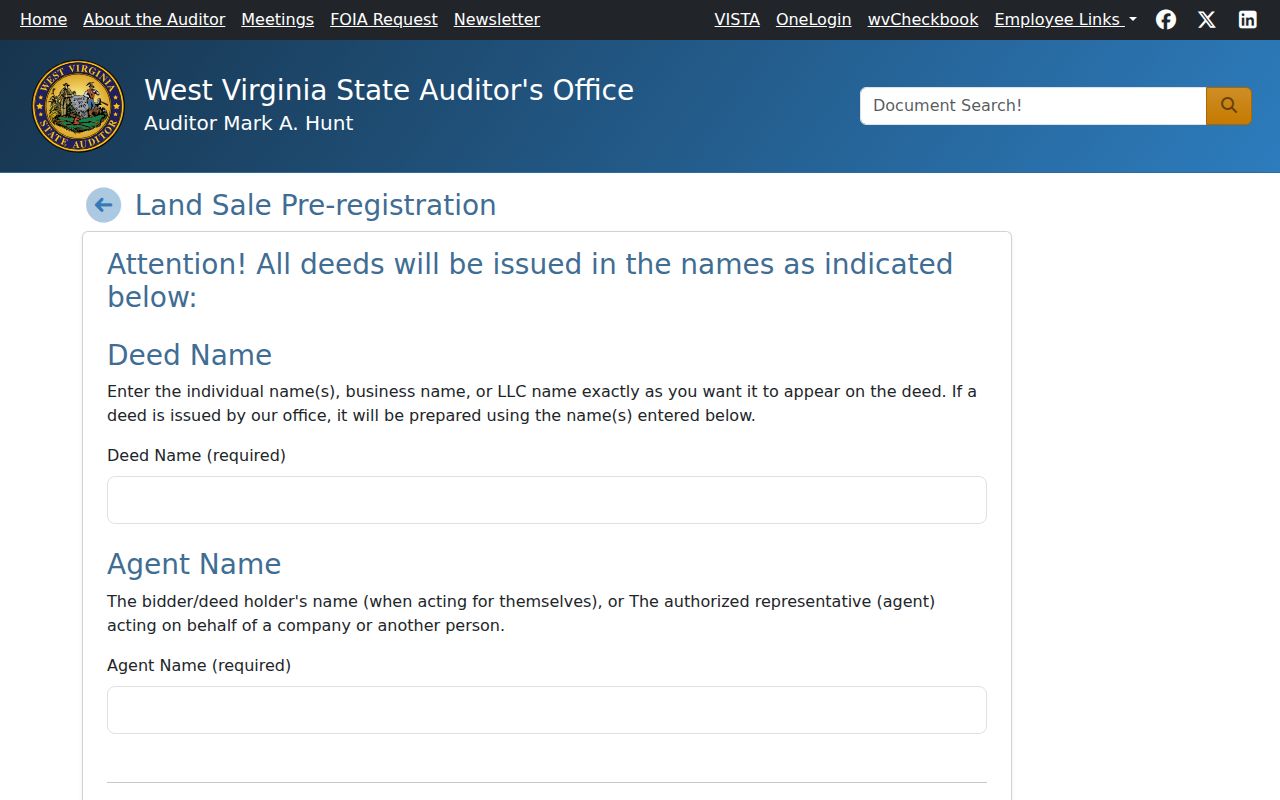
For a notice search, match the tax year and the land precisely. The Auditor's legal-notice index is the tool for that. The State Auditor's legal-notice index is the separate source for delinquent real-estate tax sale notices.
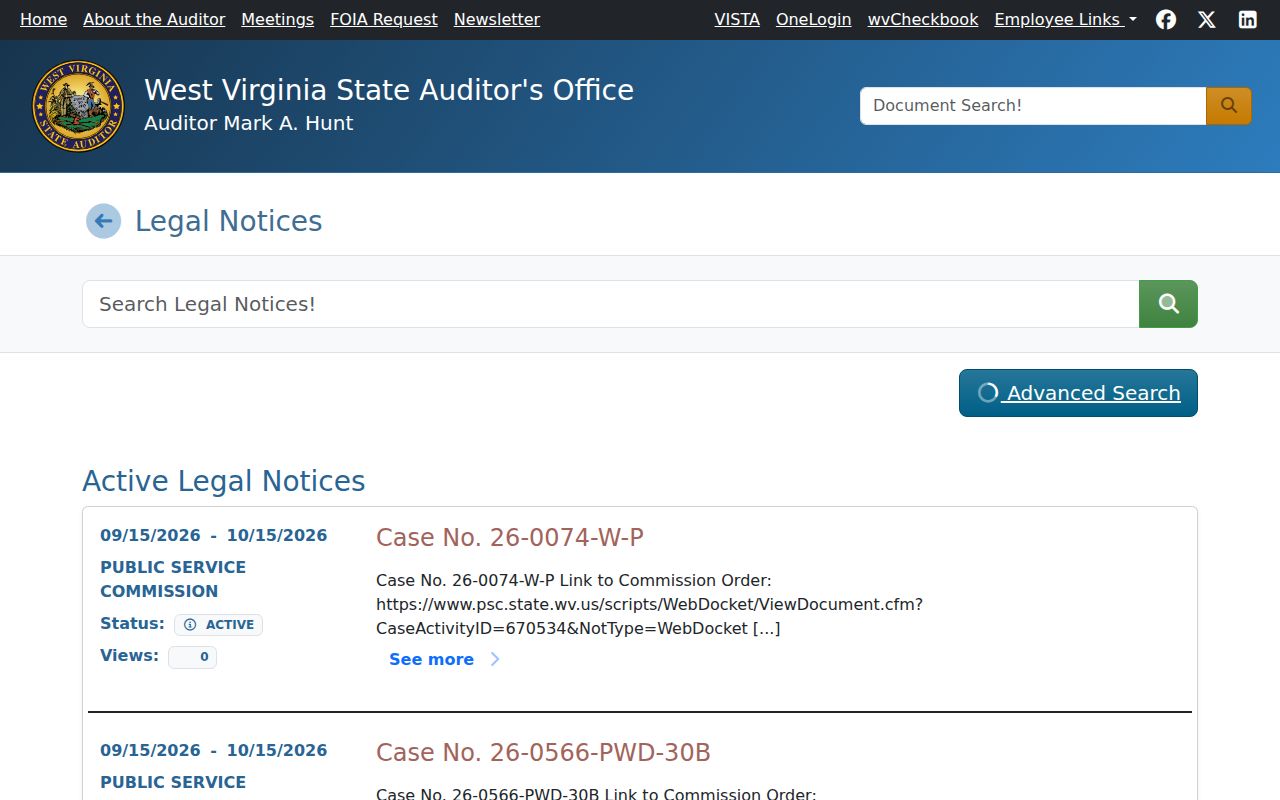
A notice is only procedural; confirm sale status and parcel details with the Auditor before acting.
Assessment Review for Pocahontas County Property Tax Records
Assessment appeals in Pocahontas County go to the county commission sitting as the Board of Equalization and Review. That board begins work February 1. West Virginia's property-tax guidance ties ownership, use and value to July 1 for the next calendar tax year. So the timing matters. Before comparing a figure, make sure the class, parcel description, building details and assessment cycle all match. Mismatched details sink many appeals. Evidence should speak to the value or the property's characteristics on the relevant date, not to a later listing or a neighboring parcel with a different use.
Appeal window. The Board of Equalization and Review begins February 1. Confirm the county's current notice and filing instructions before submitting an appeal, because the public material inspected did not provide a Pocahontas-specific form deadline beyond that opening date.
Start by reconciling two documents. The tax account shows the amount due for a tax year. The assessment card records the parcel, class, use and value used for that cycle. If the disagreement is a physical fact, note which field looks wrong. It may be acreage, building area, condition or use. Compare it against reliable information for the July 1 valuation date. A later listing price proves little here. A payment receipt alone does not show the assessment record is inaccurate either.
Bring specifics when you ask for a review. Keep any mapcard sales-history reference handy. So too the deed book and page. Include the WEB Tax Inquiry ticket as well. That gives the Assessor or the Board a concrete parcel and tax year to examine. If the real issue is an unpaid bill rather than the assessed figure, start with the Sheriff/Treasurer inquiry. Then ask about the ticket's payment status. The appeal path will not resolve a balance or confirm an Auditor sale stage.